
Monthly Houseplant Care Guide
Grow Healthy Houseplants Year-Round
Discover seasonal gardening wisdom tailored for tropical climates. Learn what your plants need each month to thrive, from watering schedules to seasonal pruning tips and humidity management.
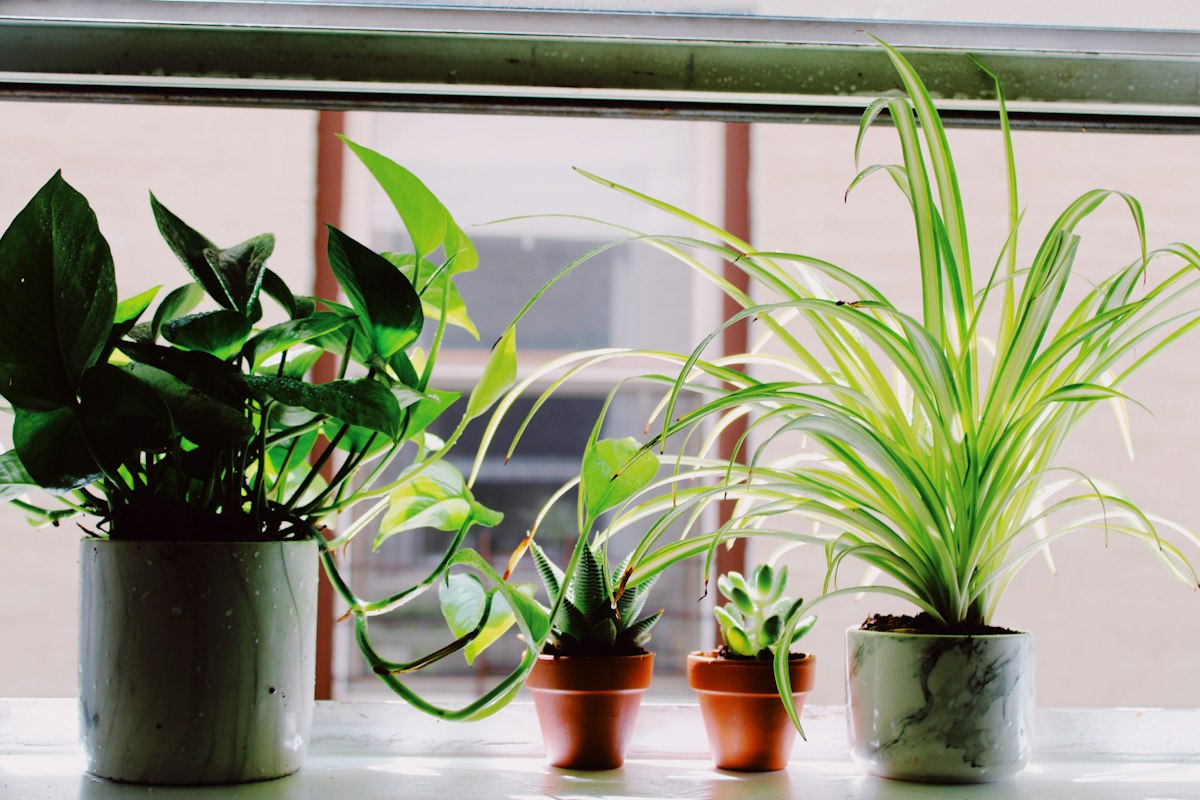
Did you know?
Plants grown indoors in tropical climates need different care strategies throughout the year. Our guides adapt to the Philippines' unique humidity and temperature patterns.
The information on this site is for educational purposes only and does not constitute medical advice. Always consult a qualified healthcare professional before making health decisions.
Current Season: December – Dry Season Transition
Reduce watering frequency, increase indirect light exposure, and start planning indoor humidity strategies for the cooler months ahead. Most houseplants enter dormancy or slow growth—adjust your care routine accordingly.
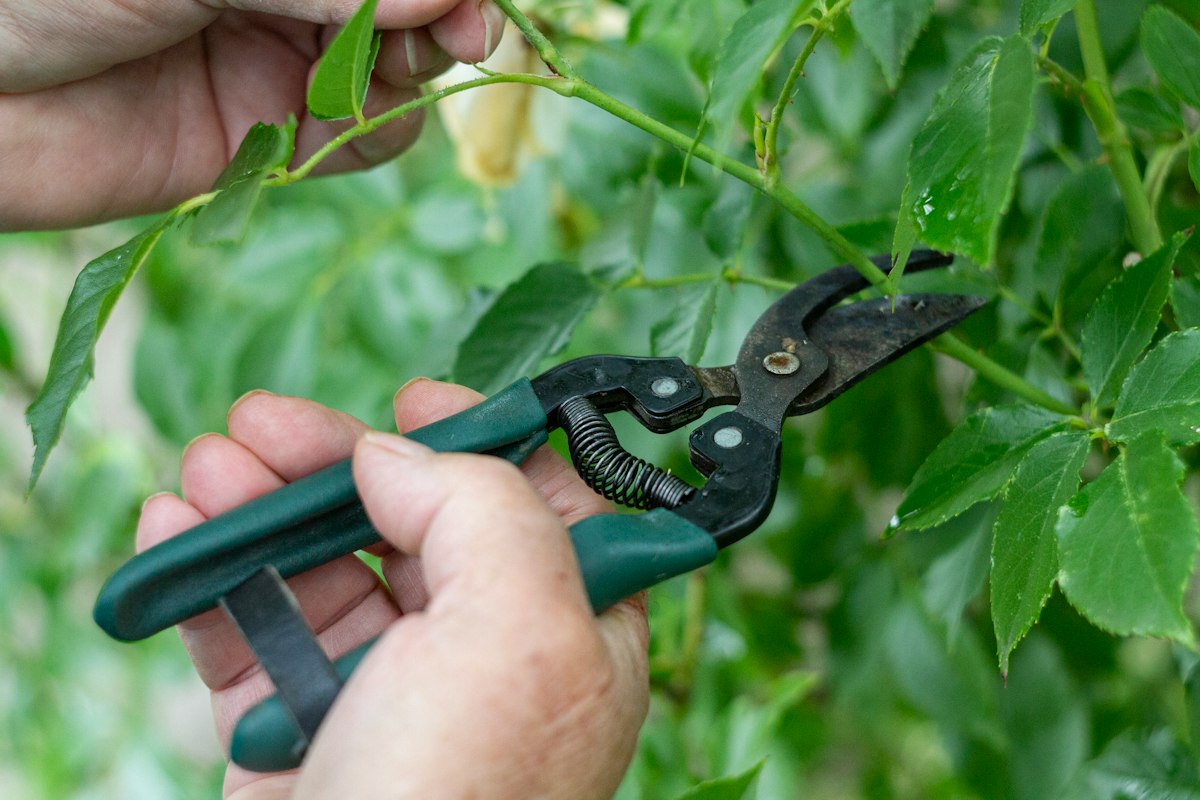
Why Month-by-Month Care Matters
Indoor plant success is not one-size-fits-all. Each month brings different light conditions, humidity levels, and temperature fluctuations that directly affect growth patterns. In the Philippines, the dry season differs dramatically from rainy periods—your plants need different care in each phase.
Our seasonal guides help you understand what your plants need right now. Rather than guessing, you'll learn exactly when to water deeply, when to reduce nutrients, when to prune, and how to adjust humidity levels. This approach transforms plant care from frustration into predictable success.
- Seasonal timing: Learn what each month requires for your specific climate zone
- Proven methods: Practical, tested approaches adapted to tropical indoor gardening
- Plant-specific guidance: Different plants, different needs—we cover them all
The Year-Round Gardening Timeline
Your houseplants change with the seasons. Here's what to focus on each quarter to keep them thriving.
Q1: January–March
Transition to Dry Season
- Watering: Reduce frequency as humidity drops significantly
- Light: Increase direct morning light; most plants appreciate more brightness
- Humidity: Begin misting protocols or use pebble trays
- Focus: Pruning and shaping; ideal growth period
Q2: April–June
Peak Dry & Early Rains
- Watering: Increase gradually; June brings early monsoon moisture
- Temperature: Heat peaks in May—ensure air circulation
- Feeding: Resume light fertilizing as growth accelerates
- Focus: Propagation; repotting young plants
Q3: July–September
Peak Rainy Season
- Watering: Reduce; high rainfall and humidity are abundant
- Light: Reduce direct sun exposure; excess clouds filter rays naturally
- Pest watch: Increased humidity brings pest and disease risks
- Focus: Improve drainage and air circulation
Q4: October–December
Transition to Rest
- Watering: Begin reducing; plants prepare for dormancy
- Light: Days shorten; maximize available natural light
- Humidity: Begins to drop again; humidity management key
- Focus: Planning for January; minimal feeding
Popular Houseplants We Cover
Each plant has unique seasonal needs. Explore detailed monthly care guides for the most popular indoor varieties.
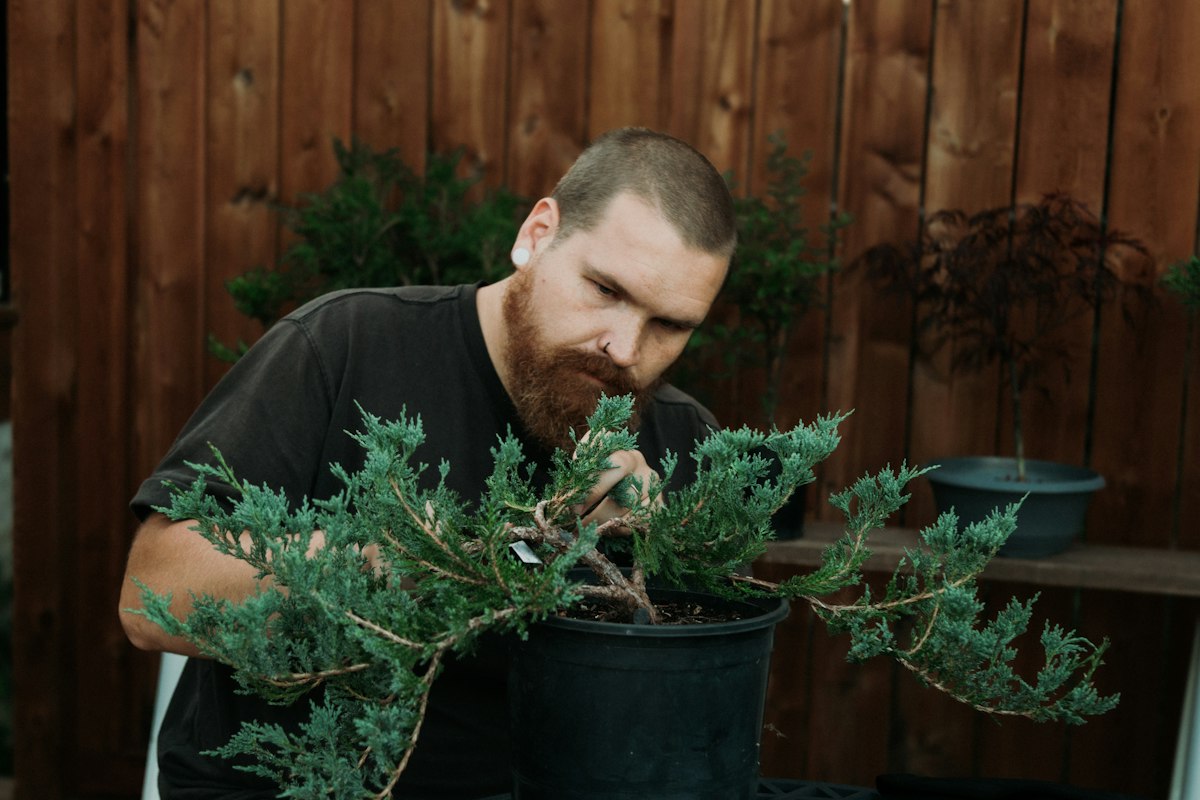
Monstera Deliciosa
Popular vining plant with dramatic fenestrated leaves. Loves bright indirect light and benefits from climbing support.
Best light: Bright, indirect near east/west windows
Water: Weekly in dry season; reduce during rains
Humidity: Moderate; mist leaves monthly for shine
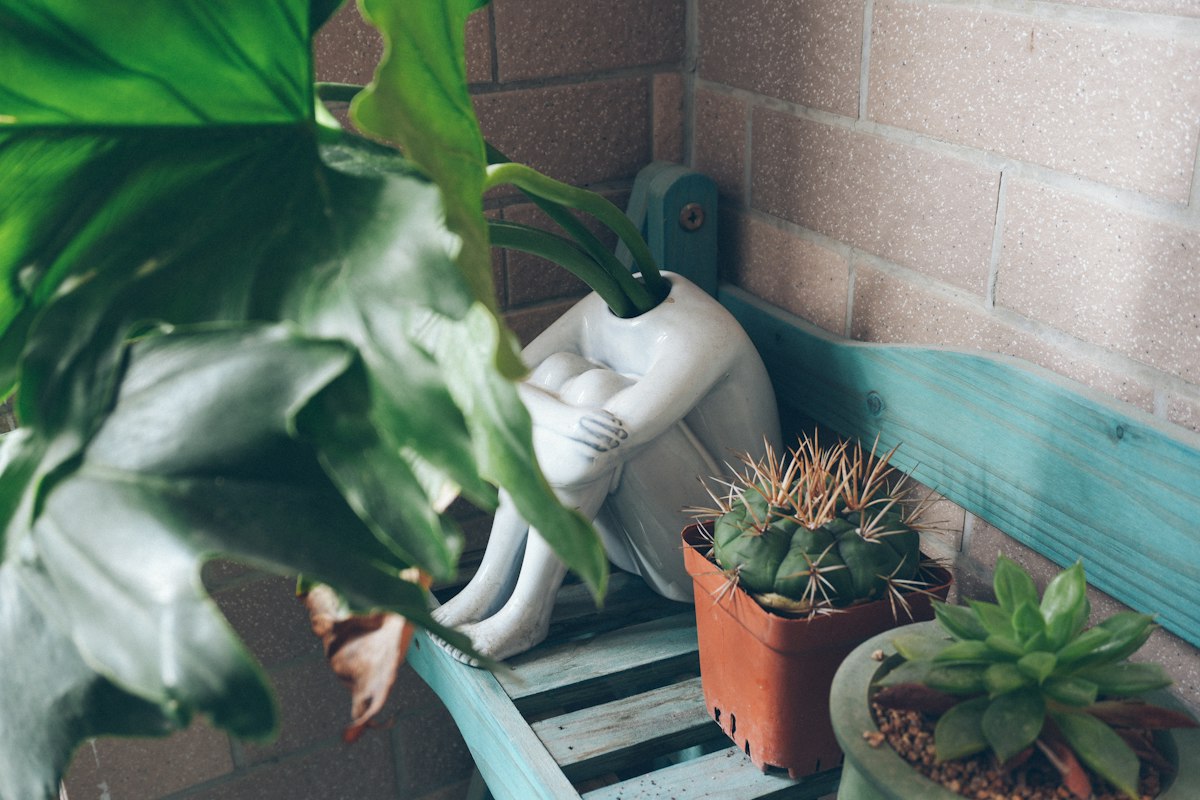
Pothos (Devil's Ivy)
Resilient trailing plant perfect for shelves and hanging baskets. Nearly impossible to kill, even in low light.
Best light: Low to bright indirect; adapts well
Water: Only when soil is dry (every 7–10 days)
Humidity: Tolerates dry air; occasional misting helps
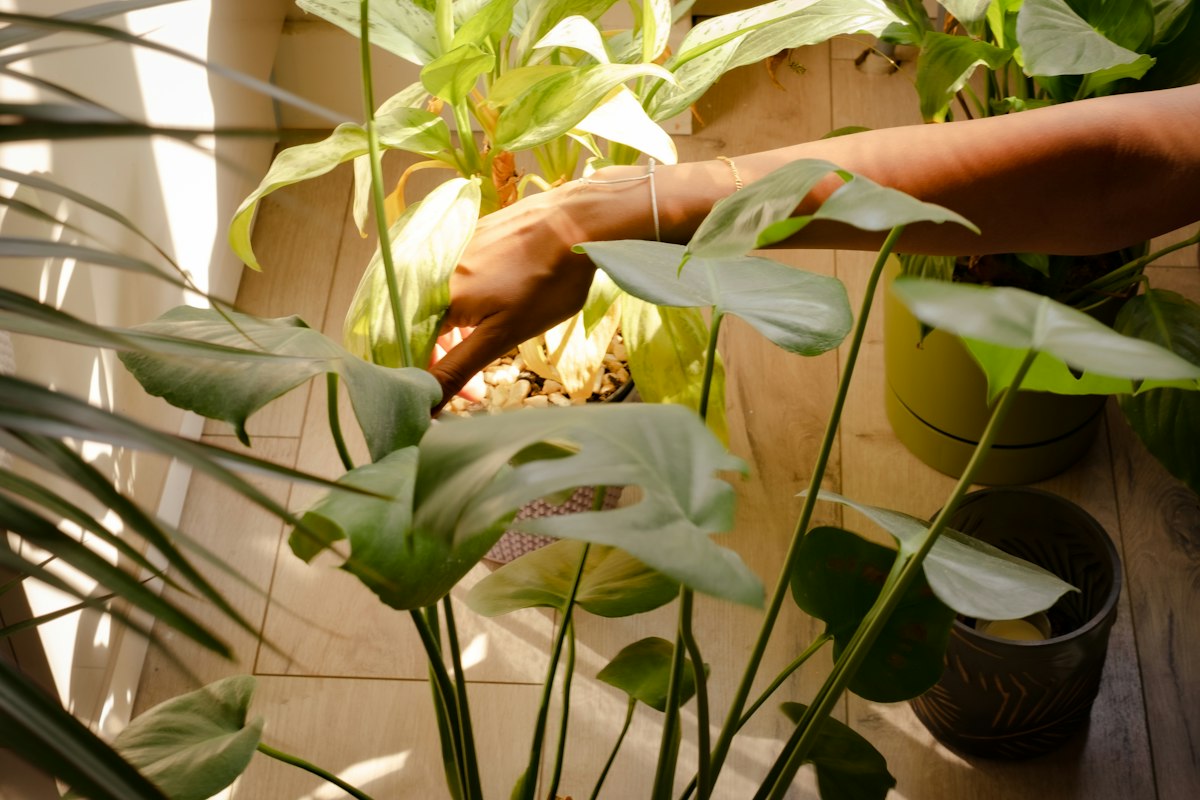
Rubber Plant (Ficus)
Statement plant with large, glossy leaves. Grows tall and makes an impressive focal point in any room.
Best light: Bright indirect; needs 4+ hours daily
Water: Moderate; let top inch dry between watering
Humidity: Prefers 50%+; wipe leaves monthly

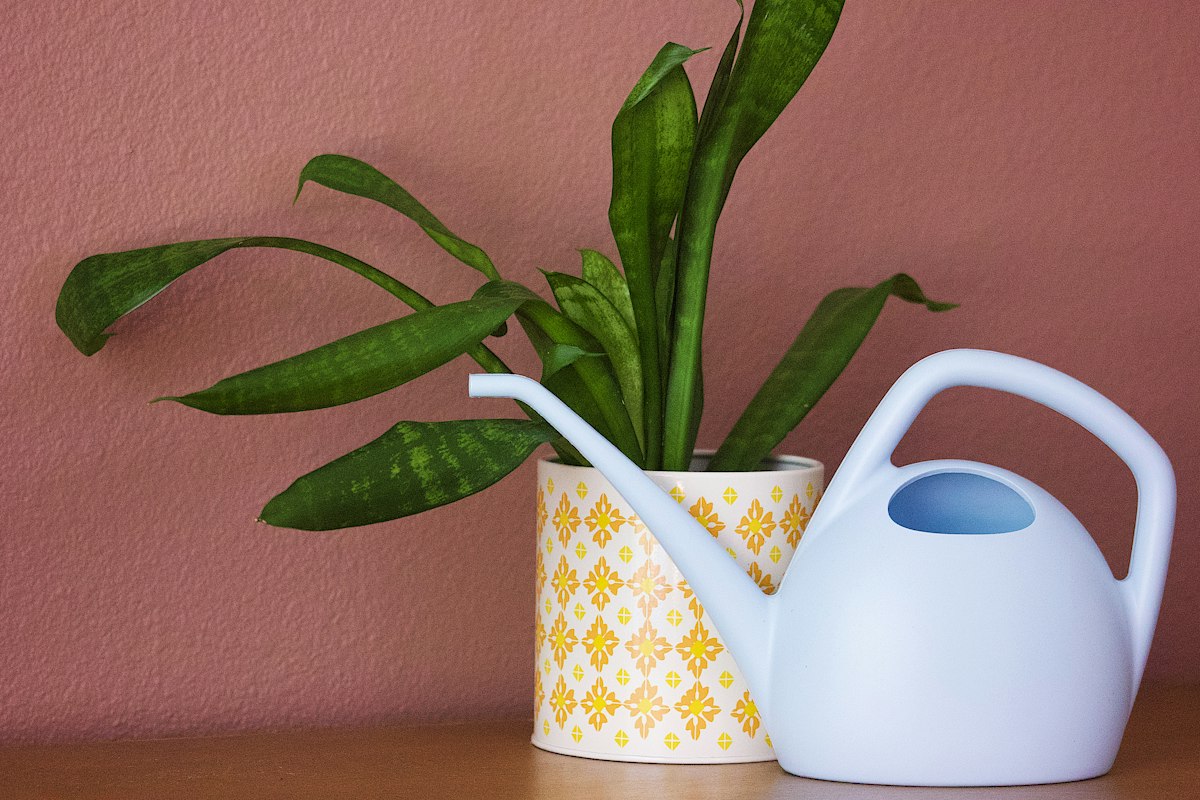
Snake Plant (Sansevieria)
Architectural succulent that thrives on neglect. One of the easiest plants for busy plant parents.
Best light: Low to bright; very adaptable
Water: Minimal; water only monthly in dry season
Humidity: Tolerates low humidity perfectly
Philodendron
Tropical climbing vine with heart-shaped leaves. Versatile and fast-growing; great for creating lush wall coverage.
Best light: Indirect bright light preferred
Water: Keep soil consistently moist (not soggy)
Humidity: High humidity promotes aerial roots
Peace Lily (Spathiphyllum)
Elegant plant with white flowers. Wilts dramatically when thirsty—the plant tells you exactly when to water.
Best light: Tolerates low light; no direct sun
Water: When wilting begins; prefers consistent moisture
Humidity: Loves humidity; mist regularly
Why Indoor Plant Wellness Year?
Our editorial approach combines practical gardening wisdom with seasonal science, designed specifically for tropical indoor gardening.
Month-by-Month Precision
Each article addresses exactly what your plants need this specific month. No guessing. No generic advice. Real seasonal timing for your climate.
Tropical-Specific Guidance
Written for the Philippines' distinct dry and rainy seasons. Humidity patterns, temperature swings, and monsoon effects are all factored into our advice.
Plant-Specific Details
From Monsteras to Snake Plants, we break down individual watering, light, and humidity needs. Each plant gets the attention it deserves.
Practical Tips You Can Apply Today
No complex science or unnecessary jargon. Every guide includes actionable advice you can implement immediately with common household items.
Beginner-Friendly Approach
Whether you're a brand-new plant parent or experienced gardener, our guides meet you where you are with clear, organized information.
Regularly Updated Content
Our editorial team refreshes guides monthly with current seasonal observations and reader feedback to keep advice relevant and helpful.
Plant Transformations
See what's possible when plants receive proper seasonal care. These reader-submitted photos showcase real results from following our monthly guides.
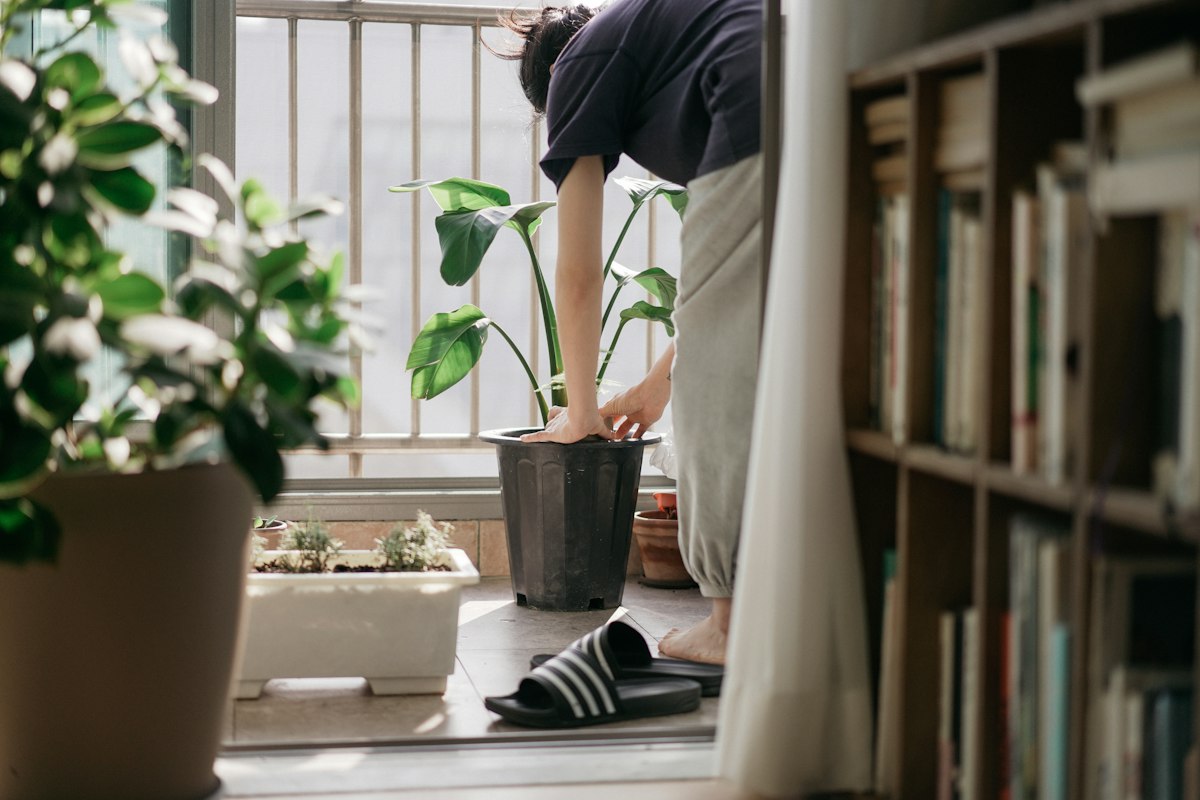
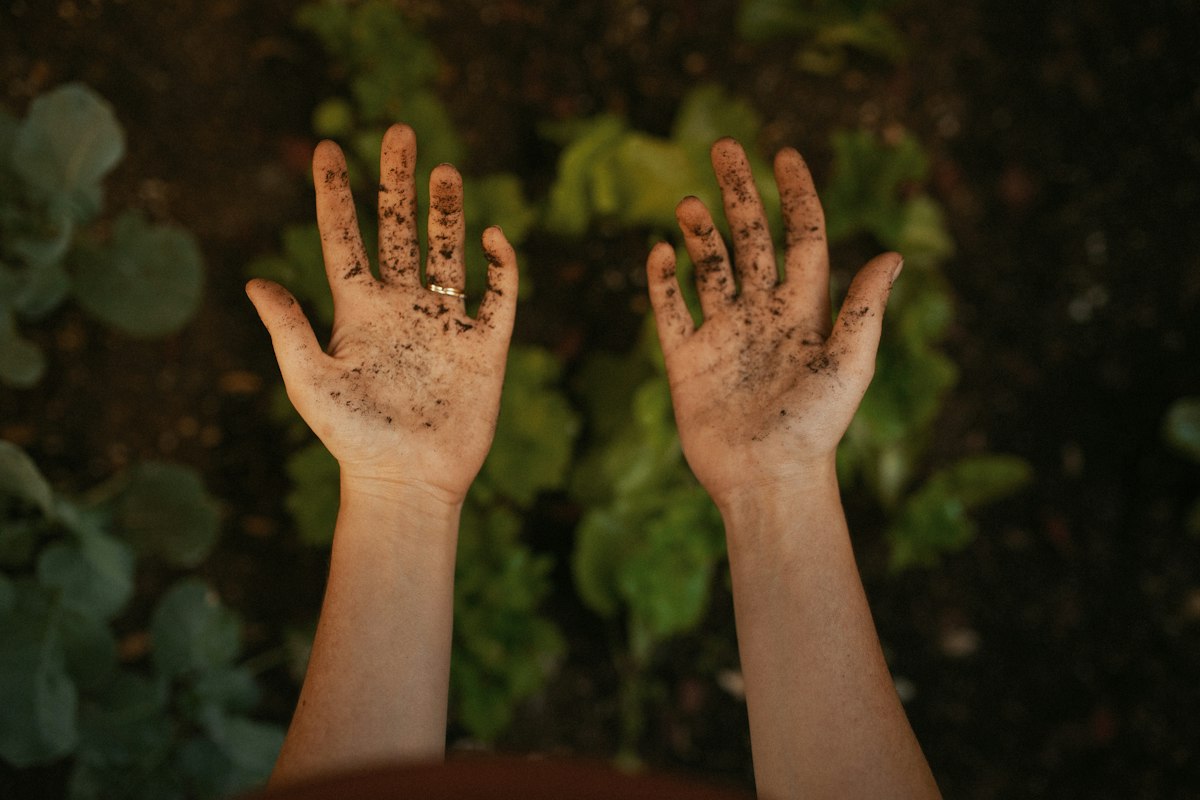
Monstera revived after dry season adjustment
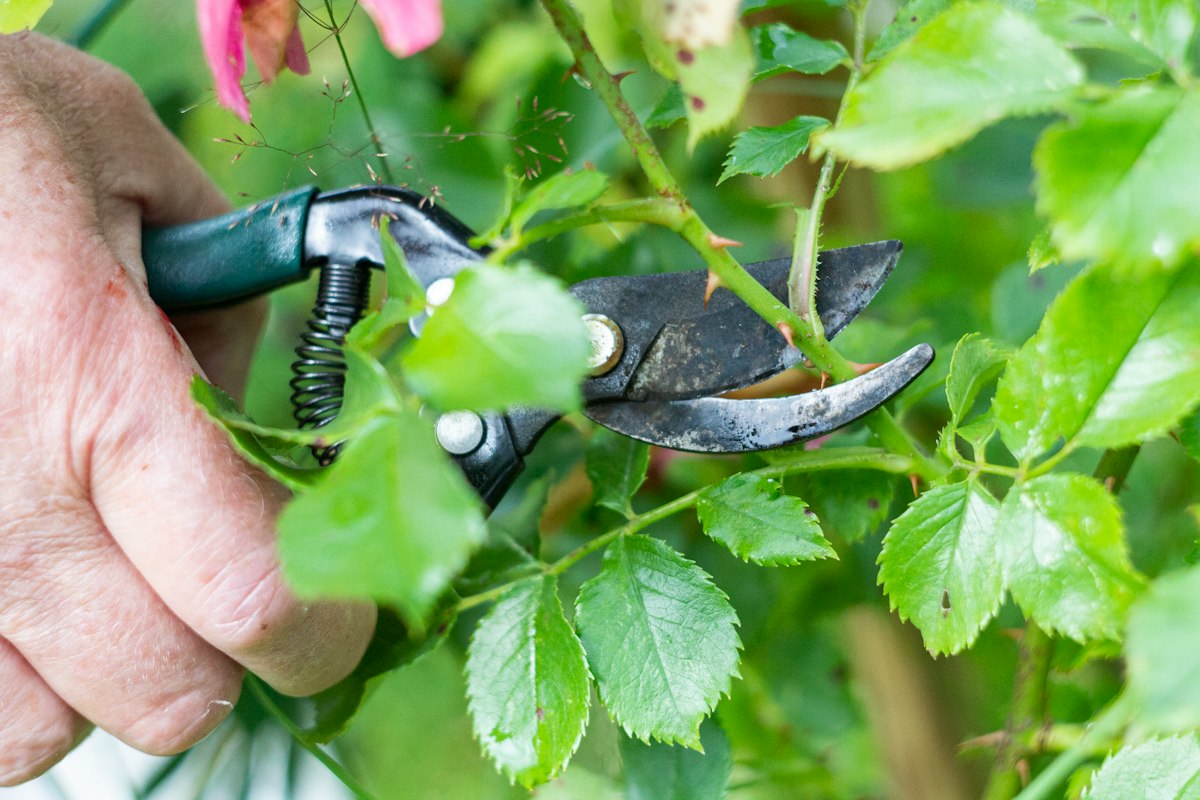
Pothos vigorous growth from monsoon care
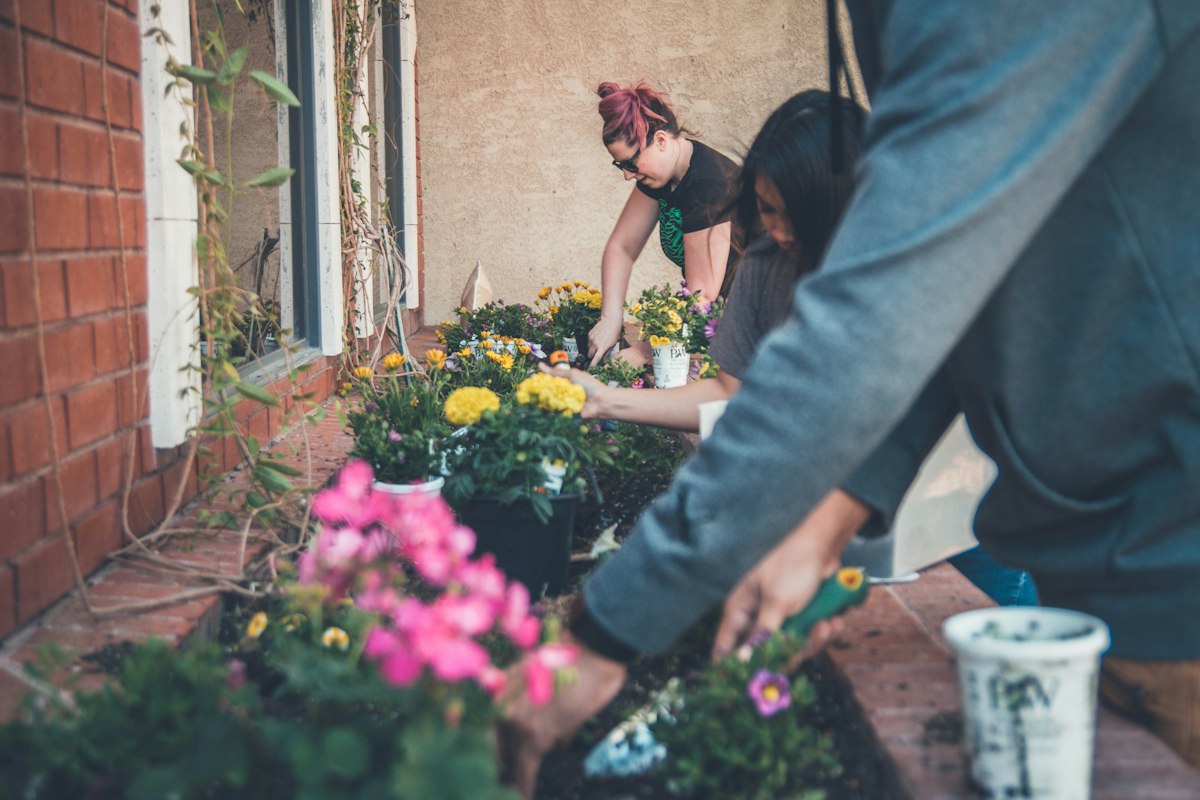
Rubber plant thriving with pruning guide
Complete plant collection flourishing year-round
Common Plant Care Questions
Answers to questions we hear frequently from our readers and plant enthusiasts.
Plants respond to natural light cycles, temperature, and humidity changes throughout the year. In the Philippines, the dry season brings intense sun and low humidity, which affects watering needs and growth rates. The rainy season brings cloud cover, excess moisture, and cooler temperatures—requiring completely different care. Our guides help you adjust your routine as seasons shift, so your plants stay healthy year-round rather than declining during specific months.
There's no universal answer—it depends on the plant species, pot size, soil type, season, and your home's humidity. During the dry season, most tropical houseplants need water every 5–7 days. During the rainy season, frequency drops to every 10–14 days or longer. The best approach is to check soil moisture: water only when the top inch is dry. Our monthly guides provide specific recommendations for popular plants, adjusted for each season's natural conditions.
Most indoor plants thrive in bright indirect light near east or west-facing windows. North-facing windows work for low-light tolerant plants like Pothos and Peace Lilies. South-facing windows provide the strongest light but may need sheer curtains to filter intense afternoon sun. Avoid placing plants directly in air-conditioned drafts or near heating sources. Each seasonal guide offers specific light recommendations, as light availability changes significantly between dry and rainy months in tropical climates.
Plants show nutrient deficiency through slow growth, pale leaves, or smaller new growth. Most houseplants need feeding only during their active growing season—typically January through June in tropical climates. Start with diluted fertilizer applied monthly. Reduce or stop feeding during the rainy season (July–December) when plants slow down naturally. Over-feeding causes salt buildup and root damage. Our seasonal guides include specific feeding schedules for each plant type.
Signs your plant needs repotting include roots growing through drainage holes, water running straight through the pot, stunted growth, or a root-bound appearance. Most houseplants benefit from repotting every 12–18 months during the growing season. Choose a pot only 1–2 inches larger than the current one to avoid waterlogging. Use well-draining potting mix suited to your plant's needs—cacti and succulents prefer sandy mixes, while tropical plants thrive in richer, more moisture-retentive soil. Our plant profiles include repotting guidance tailored to each species.
Propagation methods vary by plant type. Stem cuttings work well for vining plants like Pothos and Philodendron—cut 4–6 inch segments below a node and root them in water or moist soil. Leaf cuttings suit succulents and Begonias. Division works for clumping plants during repotting. Air layering creates roots on stems before cutting. Always use clean tools and provide bright, indirect light and warmth for success. Our detailed propagation guides include step-by-step photos and timing tips for year-round propagation.
Loved by Plant Parents
Join thousands thriving with year-round indoor plant guidance.
"Finally understand what my plants actually need! The seasonal guides transformed my confidence. My Monstera has never looked better."
"The humidity and watering tips for tropical plants saved my collection. Never killing another plant again thanks to these detailed care guides."
"Seasonal guides mean I finally understand the rhythm of my plants. My propagation success rate jumped to 90%—incredible resource!"
Start Your Year-Round Plant Wellness Journey
Master indoor plant care with seasonal guides designed for tropical and subtropical climates. Watering, feeding, humidity, pest control—all month-by-month.
✓ Updated monthly guides ✓ Plant species profiles ✓ Proven tropical care strategies